
Residential (Homeowners & Renters)
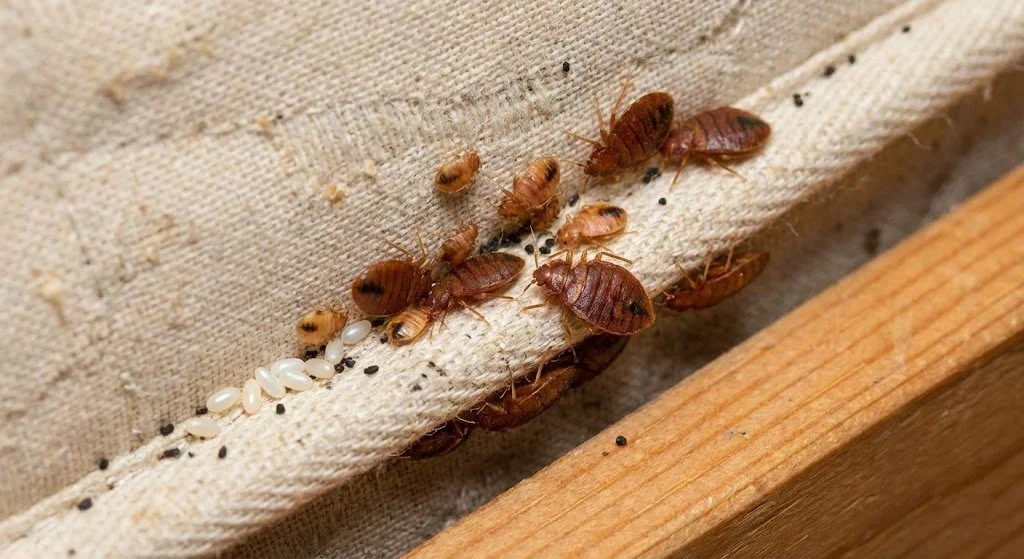
Safe, Discreet, and Thorough. We understand that finding bed bugs in your home is stressful and emotional. Our residential program focuses on wrestoring your peace of mind quickly while keeping your family and pets safe.
Detailed Inspection: We inspect mattresses, box springs, furniture, and baseboards to map the infestation level.
Family-Safe Treatments: We use targeted treatments that are safe for bedrooms once dried, focusing on cracks and crevices where bugs hide, rather than indiscriminately spraying surfaces.
Preparation Support: We provide a clear, easy-to-follow checklist to help you prep your home for the most effective results.
The "Sleep Soundly" Guarantee: We include a mandatory follow-up visit to target any newly hatched nymphs, ensuring the problem is truly gone.
Commercial (Hotels, Hostels & Businesses)
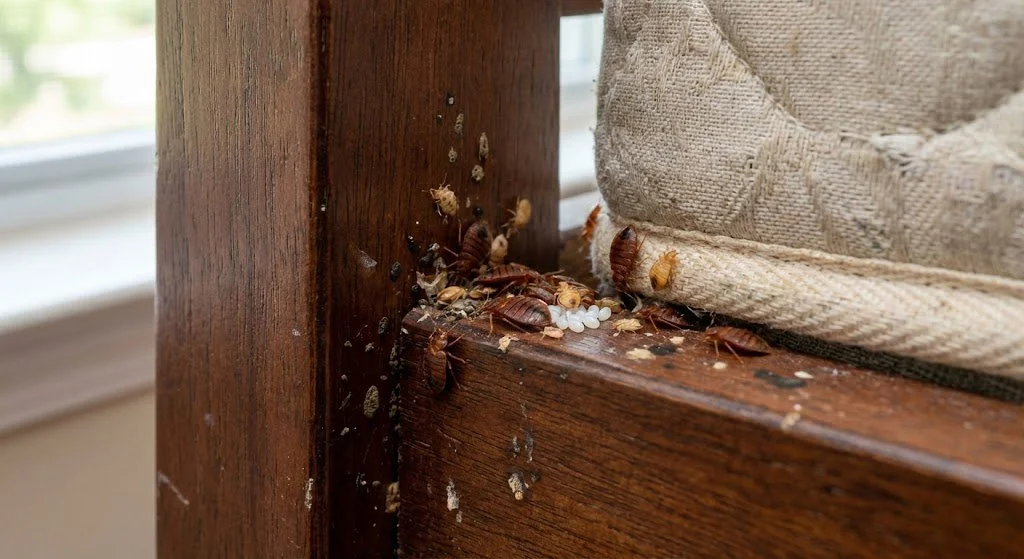
Protecting Your Reputation & Revenue: For accommodation providers, a single bad review can be devastating. Our commercial protocol is designed for speed and discretion to get your rooms back online immediately.
Rapid Response: Same-day or next-day service to minimize room downtime and revenue loss.
Discreet Service: Unmarked vehicles and discreet equipment upon request to avoid alarming guests.
Documentation: Full service logs and digital reporting for your health and safety compliance records.
Staff Training: We can train your housekeeping staff on early detection signs to catch issues before they become infestations.
Strata & Property Management
Stopping the Spread Between Units: Bed bugs travel easily between apartments via wall voids and plumbing pipes. In a strata environment, treating a single unit often fails if the neighbors are infested.
Adjoining Unit Inspections: We recommend and perform inspections on adjacent units (above, below, and beside) to create a "defensive buffer" and rule out migration.
Tenant Liaison: We handle the communication with tenants regarding preparation and safety, taking the pressure off the strata manager.
Liability Mitigation: We document all findings and refusals of service, protecting the Owners Corporation from negligence claims.
Block Treatments: Volume pricing available for treating multiple lots simultaneously.
Our Proven 3-Step Elimination Process
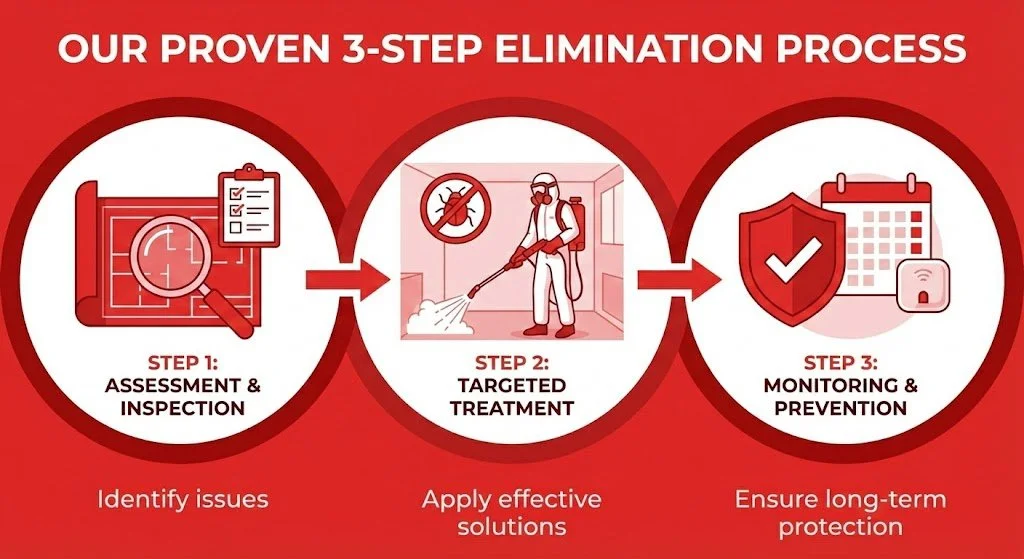
Regardless of the property type, we follow a strict protocol to ensure success.
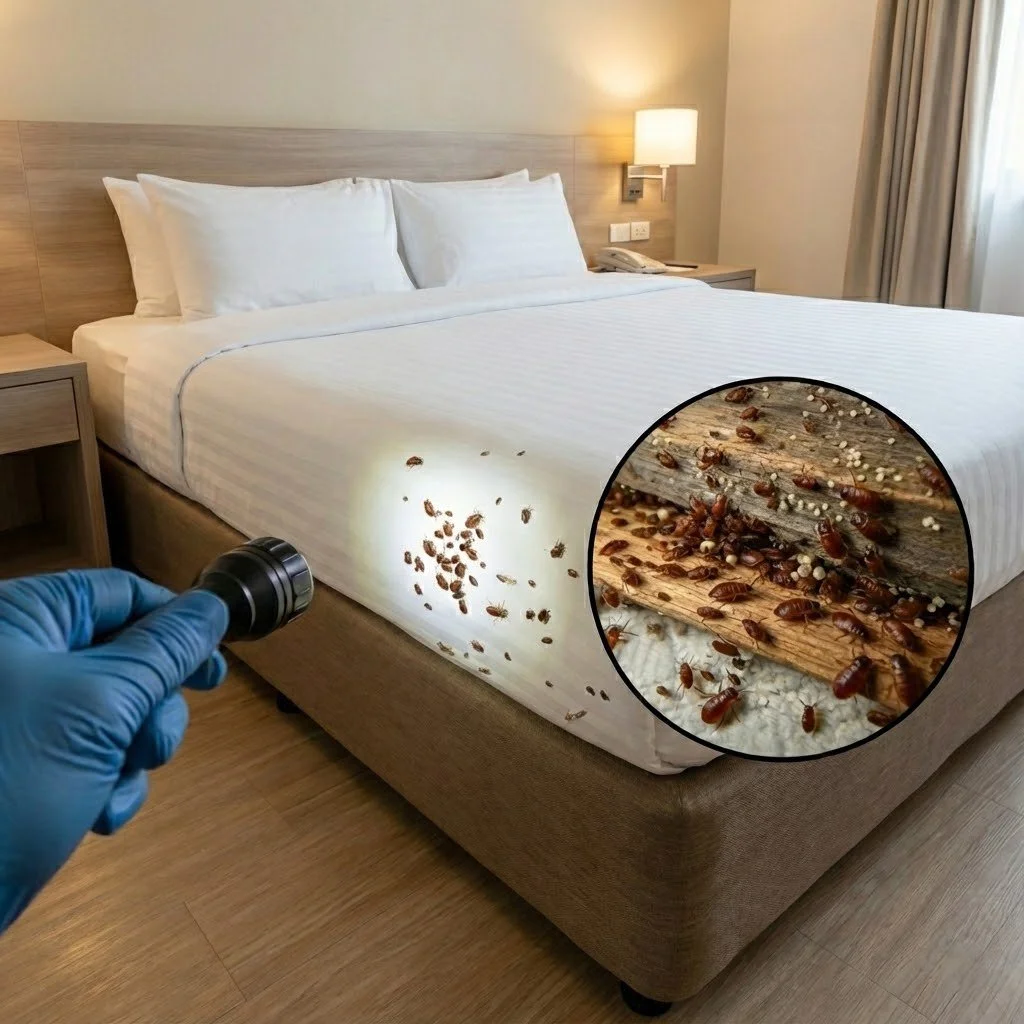
The Inspection: We strip the bed and inspect the "hot spots": mattress seams, box springs, bed heads, and bedside furniture. We use high-intensity flashlights and flushing agents to force hidden bugs into the open.
The Treatment: We utilize a combination of:
Residual Insecticides: Applied to baseboards and furniture tracks to kill bugs on contact.
Insect Growth Regulators (IGRs): A "birth control" for bed bugs that sterilizes them and stops reproduction.
Dusting Agents: Applied to wall voids and power outlets for long-term protection.
The Follow-Up (Critical Step): Bed bug eggs are resistant to most chemicals. We return 10–14 days later to treat again. This catches the "second wave"—any nymphs that have hatched since the first visit—breaking the life cycle permanently.
F.A.Q
-
Adult bed bugs are roughly the size and shape of an apple seed (about 5-7mm long). They are reddish-brown, wingless, and flat, though they swell up and become cigar-shaped and brighter red after a blood meal. Nymphs (young bed bugs) are smaller and translucent/yellowish until they feed. Eggs are tiny, pearly white, and about the size of a pinhead.
-
Bites are a poor indicator because everyone reacts differently. Solid proof includes:
Live bugs: Seeing actual bugs in seams of mattresses or furniture.
Fecal spots: Small, dark brown or black dots (digested blood) on mattresses, sheets, or walls that look like marker pen dots.
Blood smears: Tiny rusty spots on sheets where a bug was accidentally crushed after feeding.
Cast skins: The hollow, papery yellowish exoskeletons shed by growing nymphs.
-
Bed bug bites often appear as small, red, itchy bumps, frequently arranged in a rough line or zig-zag pattern (sometimes called "breakfast, lunch, and dinner"). Reactions vary wildly; some people have no reaction, while others develop severe welts. Fortunately, bed bugs are not known to transmit diseases to humans, though excessive scratching can lead to secondary skin infections.
-
Absolutely not. Bed bugs do not care about sanitation or cleanliness; they only care about access to blood. They are found in five-star hotels and immaculate homes just as often as in messy environments. However, clutter gives them more places to hide, making treatment harder.
-
Bed bugs are excellent hitchhikers. The most common ways to get them are:
Travel: Picking them up in hotels/hostels on luggage or clothing.
Second-hand items: Bringing in infested used furniture, mattresses, or clothing.
Visitors: Guests inadvertently bringing them in on their belongings.
Adjoining units: In apartments, they can migrate through wall voids from neighbors.