Fast-Moving Vectors of Disease
Flies are often dismissed as a minor summertime nuisance, but in the pest control world, they are known as "filth pests." Because flies feed and breed in decaying organic matter—like garbage, manure, and carcasses—they act as mechanical vectors, moving dangerous pathogens from unsanitary surfaces directly onto your food and kitchen counters.
A single house fly can carry over 100 different pathogens, including those that cause Salmonella, E. coli, and Cholera.
The Lifecycle: From Egg to Adult in Days
Flies have a "complete metamorphosis" lifecycle that is heavily influenced by temperature. In the peak of summer, a fly can go from an egg to a breeding adult in as little as 7 to 10 days.
Eggs: Small, white, and rice-like. A female can lay up to 500 eggs in her short lifetime.
Larvae (Maggots): These legless, cream-colored creatures hatch within hours and begin feeding immediately on the surrounding organic waste.
Pupae: Once the maggots are finished feeding, they move to a dry, cool spot to form a hard, brown protective shell.
Adults: Upon emerging, they are ready to mate and begin the cycle again within just 24 hours.
Why They Are Hard to Stop
Flies have several biological advantages that make them difficult to manage without professional help:
Compound Vision: Flies see movement up to four times faster than humans, which is why they are so difficult to swat.
Liquid Diet: Because they can only consume liquids, they must "vomit" digestive enzymes onto solid food to liquefy it, spreading bacteria instantly.
Hitchhiking: Small flies like Fruit Flies often enter homes as eggs on the skins of store-bought produce.
Our Professional Fly Management Plan
We use an Integrated Pest Management (IPM) approach to break the fly lifecycle at every stage:
Thorough Inspection: We don't just kill the flies you see; we find the "breeding reservoir" where the maggots are developing.
Sanitation Advice: We identify "hotspots" like grease traps, clogged gutters, or hidden spills that are attracting the flies.
Light & Pheromone Traps: For indoor areas, we install professional UV light traps that discreetly capture flies without the "zap" or mess of old-fashioned bug lights.
Targeted Treatments: We use specialized baits and residual sprays on external resting surfaces to cull the population before they ever enter your building.
Keep Your Environment Hygienic
Whether you are running a restaurant or protecting your home, a fly-free environment is essential for health and safety.
-
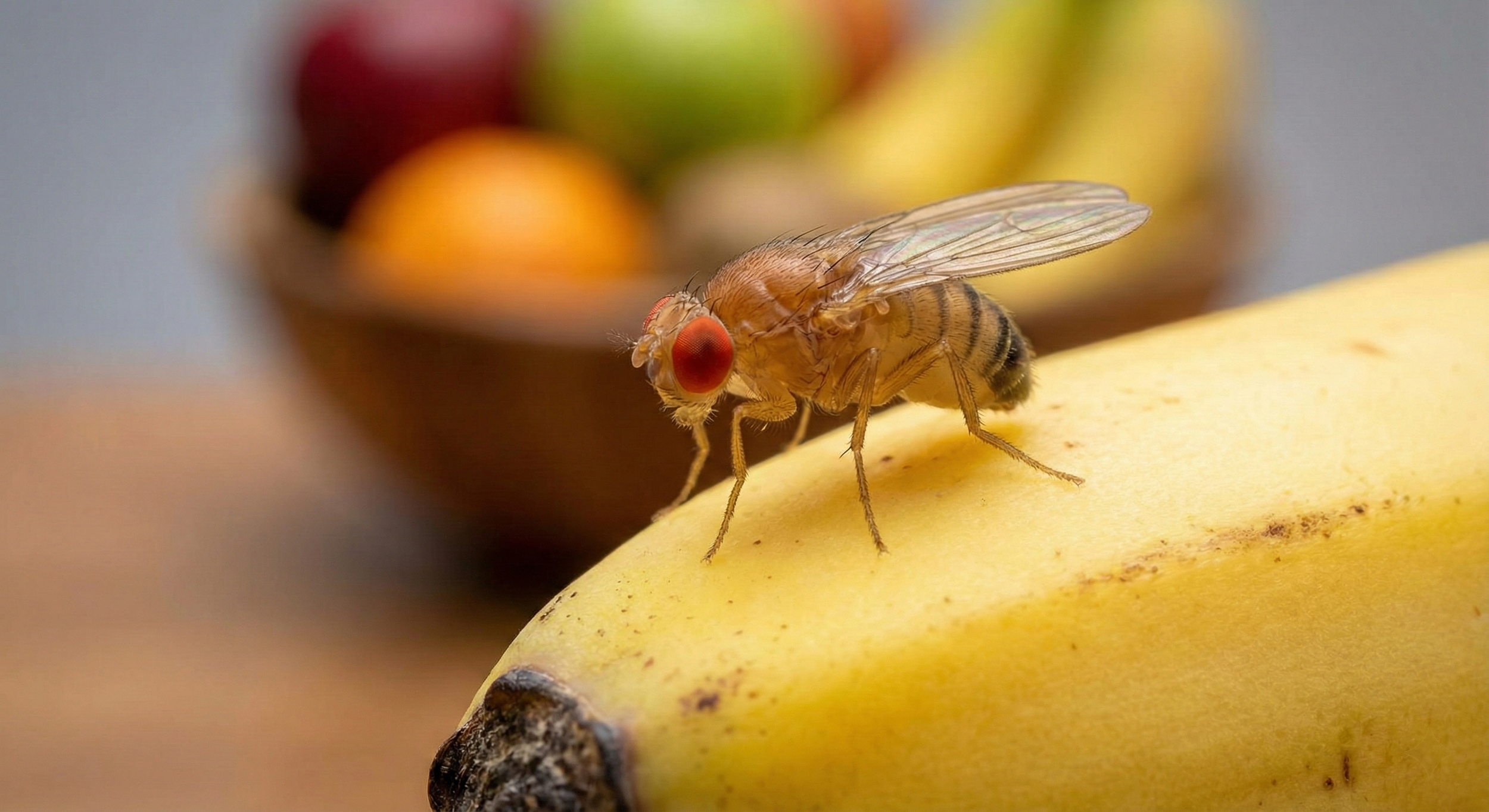
Fruit Fly: Hovering around kitchens and bars. Overripe produce or fermenting liquids.
-
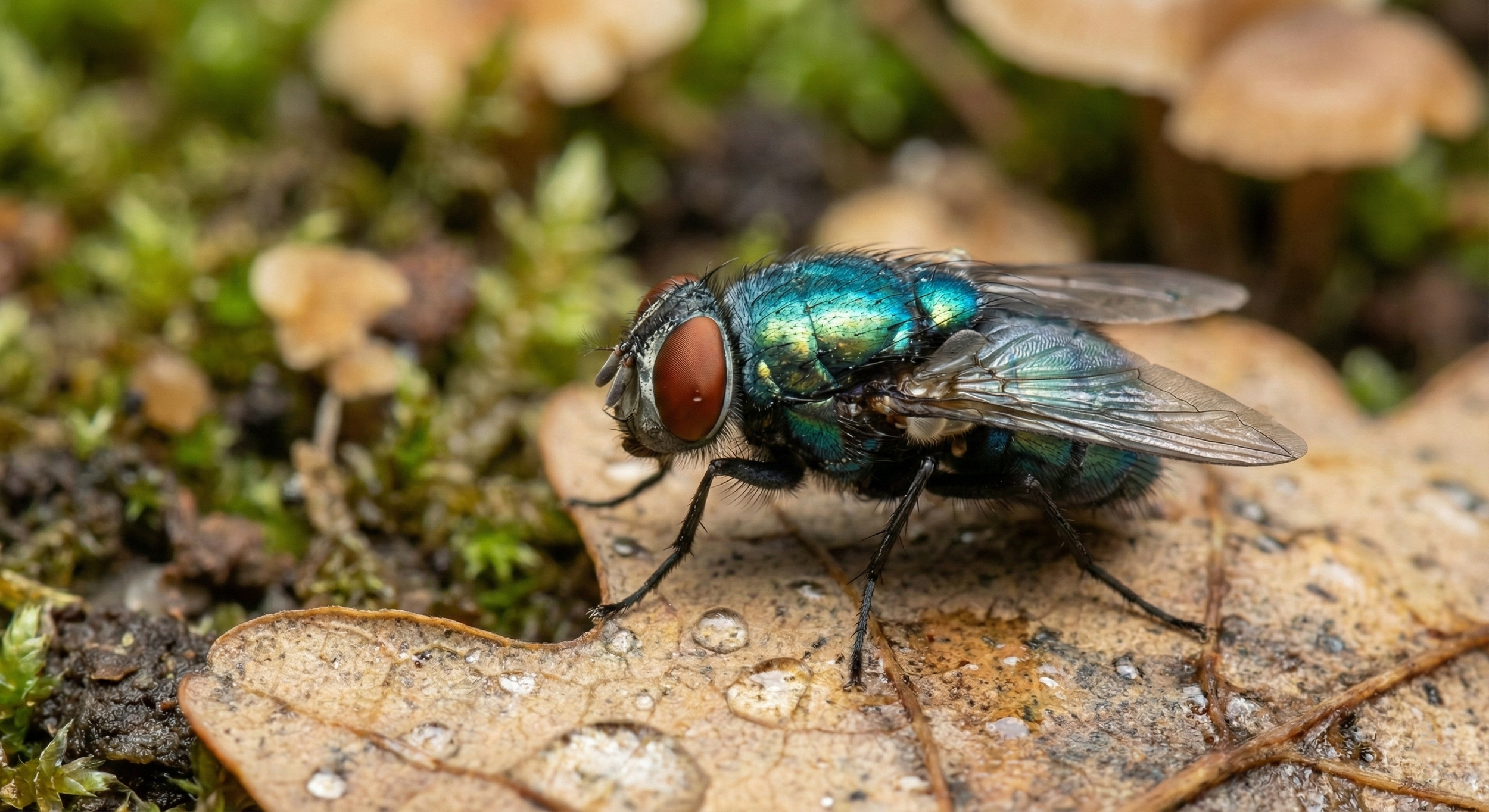
Blow Fly: Buzzing loudly against windows. Often indicates a dead animal (rodent/bird) nearby.
-
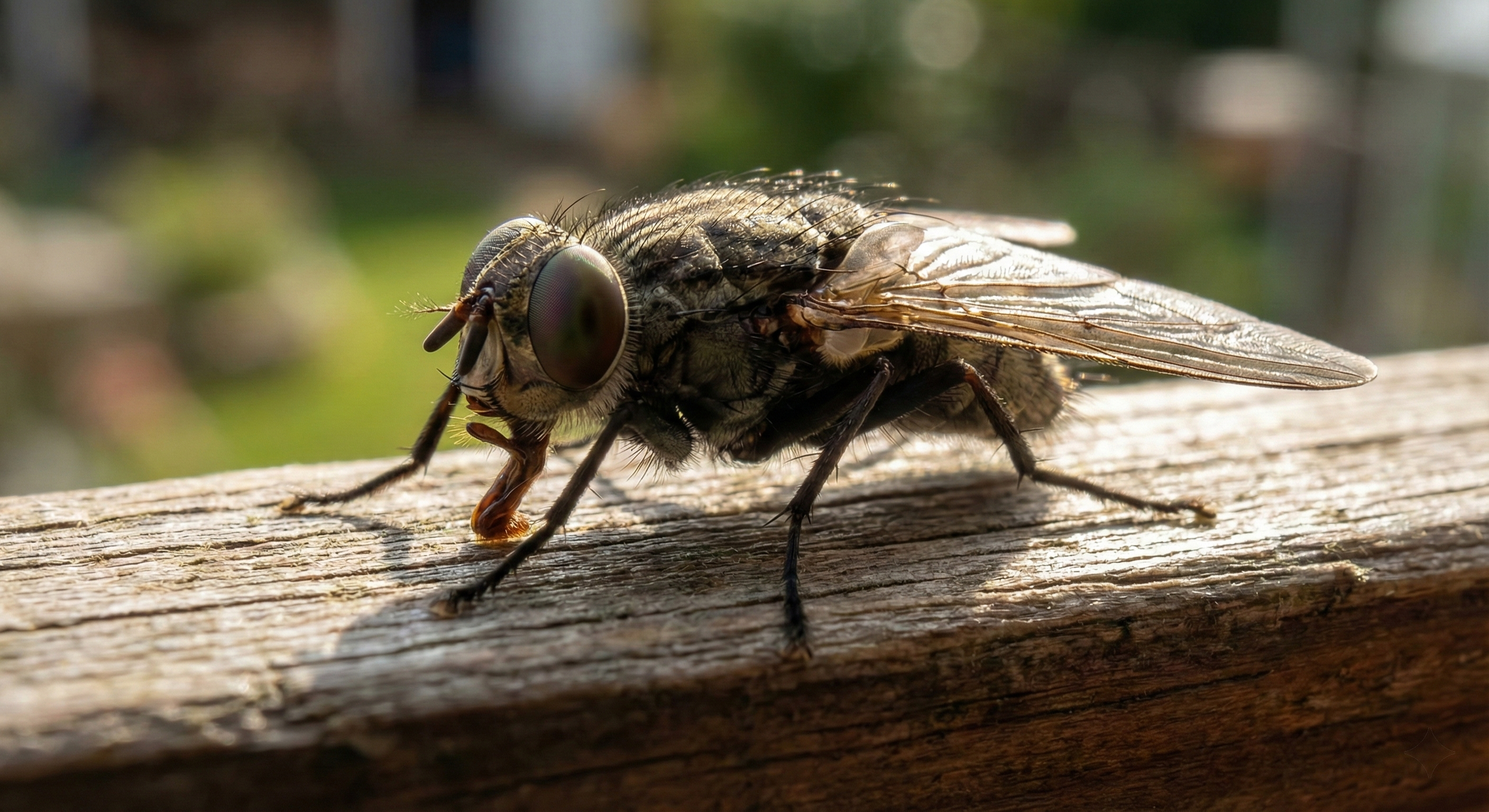
House Fly: Resting on walls, ceilings, and food. Exposed garbage or nearby pet waste.

-
A sudden surge in flies usually indicates a nearby breeding source. Depending on the type of fly, they could be coming from decaying organic matter, a clogged drain, overripe fruit, or even a small animal that has died in a wall void or attic. Once they find a food source, they can multiply rapidly.
-
Yes, flies are significant health risks. Because they frequent unsanitary areas like trash cans, sewers, and animal waste, they pick up bacteria and viruses. They can spread over 65 diseases to humans, including Food Poisoning, Cholera, E. coli, and Typhoid Fever, by contaminating surfaces and food.
-
Flies are experts at finding entry points. They typically enter through:
Open doors and windows.
Damaged or ill-fitting window screens.
Gaps around air conditioning units.
Food shipments or infested produce brought inside.
-
Standard aerosol sprays only kill the adult flies you see. They do nothing to address the larvae (maggots) or the breeding site. Unless the source—such as rotting organic material or standing water—is identified and removed, new flies will continue to hatch and emerge every few days.
-
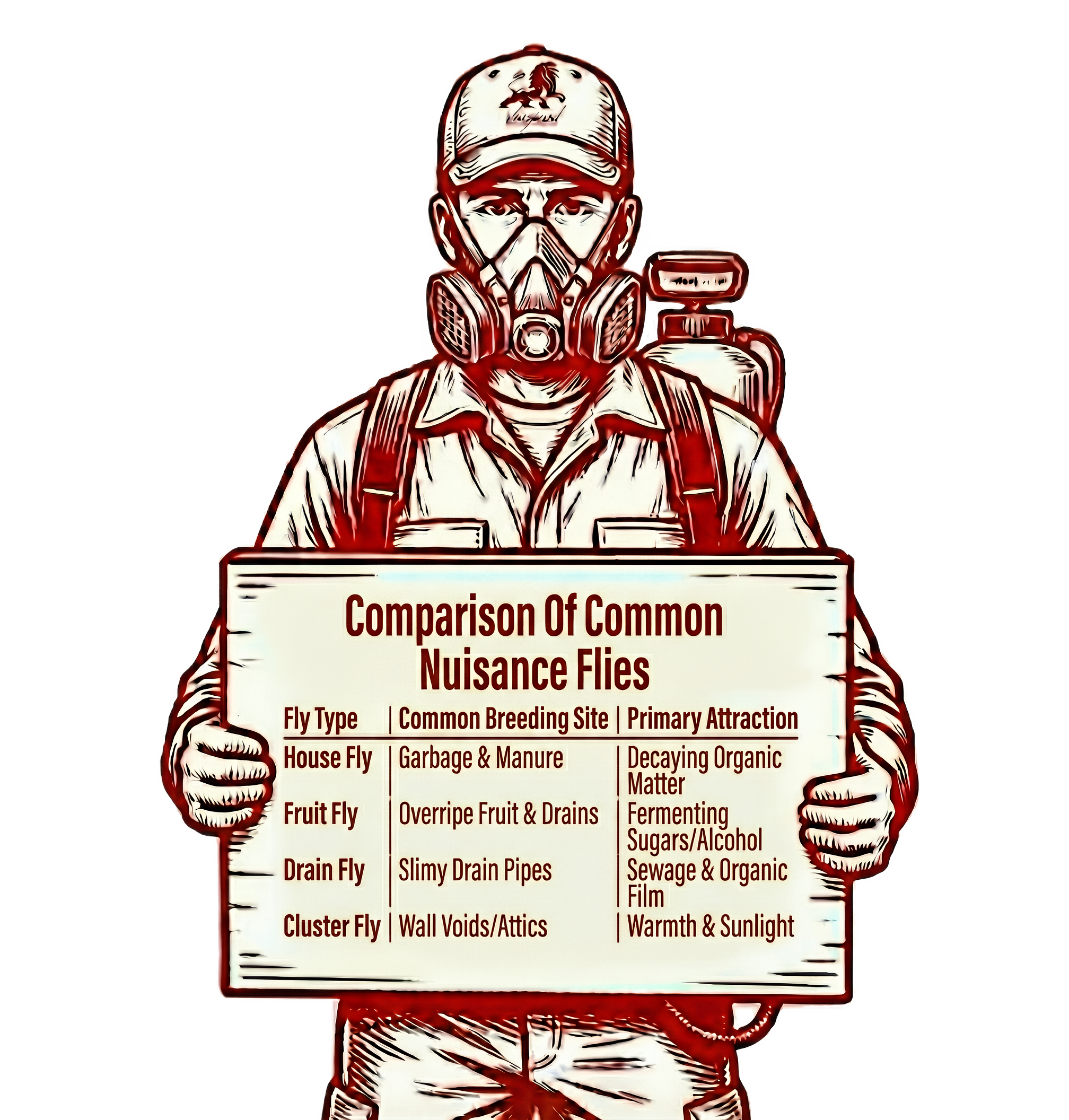
House Flies: Larger, greyish insects usually found near trash or animal waste.
Fruit Flies: Tiny, brownish insects with red eyes, typically found around overripe produce, empty soda cans, or drains. Knowing the species is critical because the treatment method for each is completely different.
-
We use a multi-step approach called Integrated Pest Management (IPM):
Inspection: We locate the specific breeding site.
Sanitation Advice: We help you eliminate the food and moisture sources.
Targeted Treatment: We use professional-grade baits, light traps, or residual treatments that are far more effective than over-the-counter options.
-
Prevention is the best defense. We recommend:
Keeping all trash cans tightly sealed and cleaned regularly.
Cleaning up pet waste immediately.
Ensuring all window and door screens are in good repair.
Pouring boiling water or professional drain cleaner down drains to remove organic buildup.