Mosquitoes: More Than Just a Nuisance
Mosquitoes are among the most resilient pests on the planet. While they are often viewed as a simple summer annoyance, they are scientifically classified as the world’s deadliest animal due to their ability to spread diseases like West Nile Virus, Zika, and Heartworm (in pets).
Understanding how they live and breed is the first step toward reclaiming your yard.
The Mosquito Life Cycle
To effectively control mosquitoes, we have to target them at every stage of their development. Most mosquitoes can go from egg to adult in as little as 7 to 10 days.
Eggs: Laid individually or in "rafts" on the surface of standing water.
Larvae ("Wigglers"): These live in the water and come to the surface to breathe.
Pupae ("Tumblers"): The transitional stage before they emerge as flying adults.
Adults: Only the females bite, as they require a blood meal to produce eggs.
Why Professional Control Matters
Standard DIY sprays often only kill the mosquitoes they hit directly, leaving the rest of the population to bounce back within days. Our professional approach focuses on Integrated Pest Management (IPM):
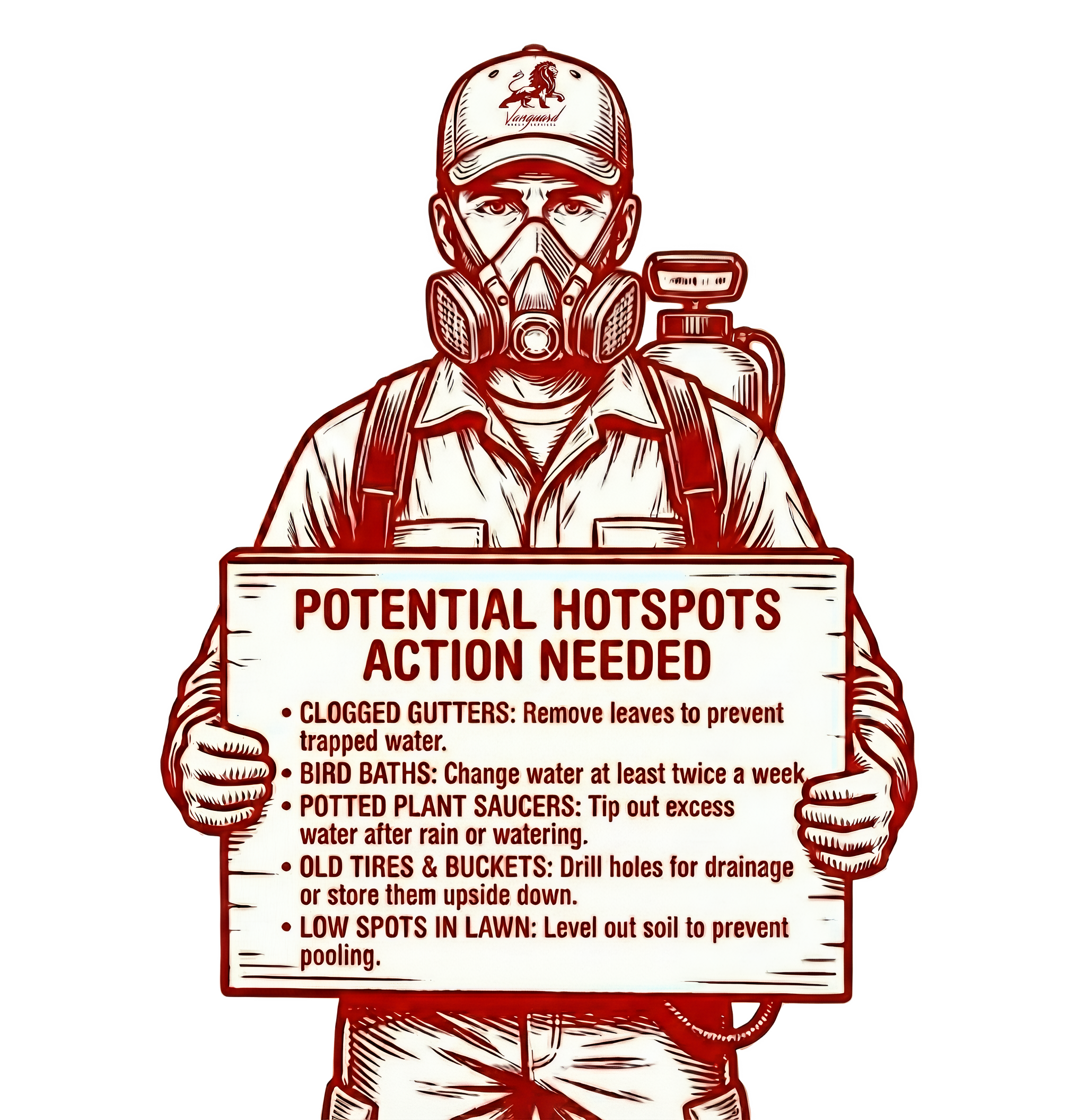
Source Reduction: We identify and help you eliminate breeding sites.
Larviciding: We treat non-drainable water (like ponds or marshes) with eco-friendly products that stop larvae from becoming adults.
Barrier Protection: We apply a professional-grade residual treatment to the underside of leaves and shaded areas where mosquitoes rest during the day.
Pro Tip: Mosquitoes are weak fliers. Keeping your grass mowed and your bushes trimmed reduces the "resting zones" they use to hide from the sun.
Protect Your Home Today
Don't let mosquitoes keep you trapped indoors. Our seasonal programs are designed to provide a continuous shield around your property, allowing you to enjoy your backyard again.
-
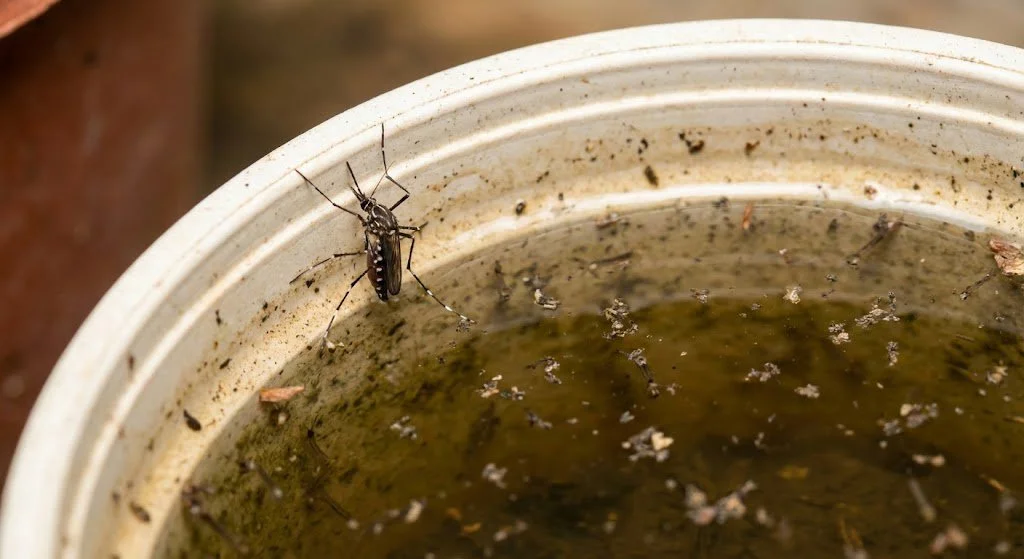
The "Container Breeders" (e.g., Aedes species)
Appearance: Black bodies with white stripes (e.g., Asian Tiger Mosquito).
Behavior: These are aggressive day-biters. They fly low to the ground and target ankles and legs.
Breeding: They do not need a pond. They breed in tiny amounts of water found in bottle caps, saucers, and toys.
-
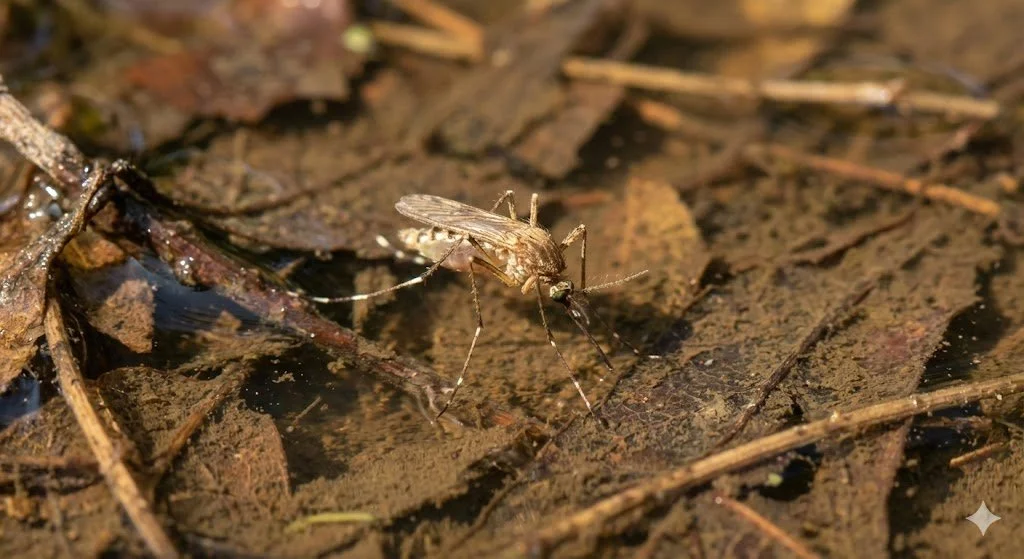
The "Floodwater/Culex" Mosquitoes
Appearance: Brown/Grey, plain looking.
Behavior: These are the classic dusk and dawn feeders. They whine in your ear at night.
Breeding: They prefer stagnant, nasty water (storm drains, bird baths, clogged gutters).
-
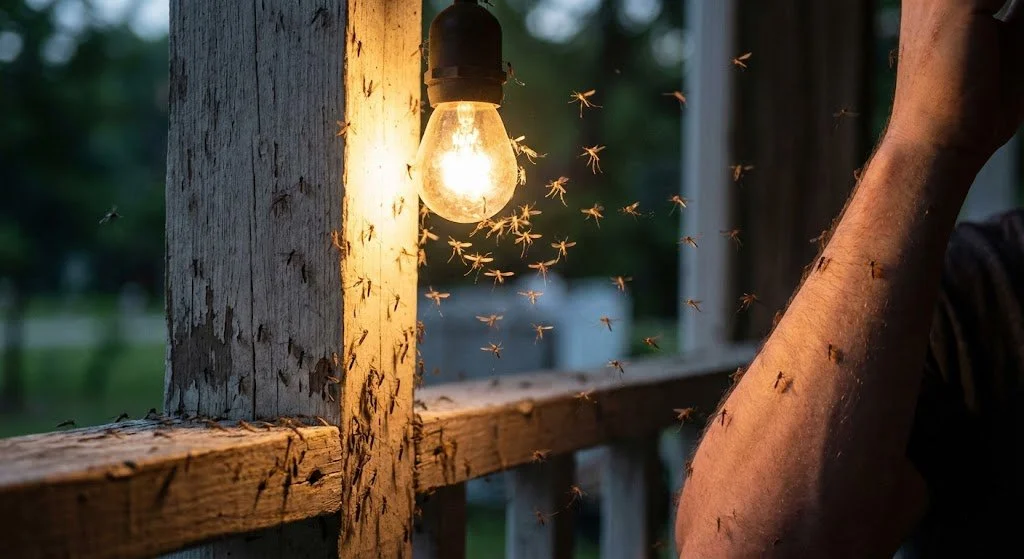
The Health Risks
Mosquitoes inject saliva when they bite to stop blood from clotting. This exchange of fluids transmits pathogens.
Human Diseases: West Nile Virus, Zika Virus, Dengue Fever, Chikungunya, and Encephalitis.
Pet Health: Mosquitoes are the sole cause of Heartworm in dogs and cats. A single bite can infect your pet with this potentially fatal parasite.
-
No service can guarantee 100% elimination. Mosquitoes can fly in from your neighbor’s yard or from miles away. Our goal is population reduction. You will see a drastic drop in activity, allowing you to enjoy your yard again, but you may still see the occasional stray mosquito.
-
We take pollinator safety seriously.
Targeted Application: We spray the underside of leaves where mosquitoes hide, avoiding open flowers where bees forage.
Timing: We avoid spraying during peak foraging hours.
Product Choice: We use products designed to bind to foliage rather than drift.
-
Minimally. Citronella candles only work if you are standing directly in the smoke plume. Sonic devices (ultrasonic keychains) have been proven scientifically ineffective. They do not repel mosquitoes.
-
Mosquitoes are attracted to:
CO2: Heavy breathers or people exercising attract more.
Heat & Sweat: Lactic acid in sweat is a magnet.
Blood Type: Studies suggest Type O blood may be more attractive.
Genetics: Some people naturally secrete chemicals that mask their scent, while others do not
-
Once the product has dried on the leaves (usually 30–60 minutes), it becomes rain-resistant. However, heavy, continuous rains can create new breeding pockets, which might require a touch-up.