

Protecting Your Property and Health
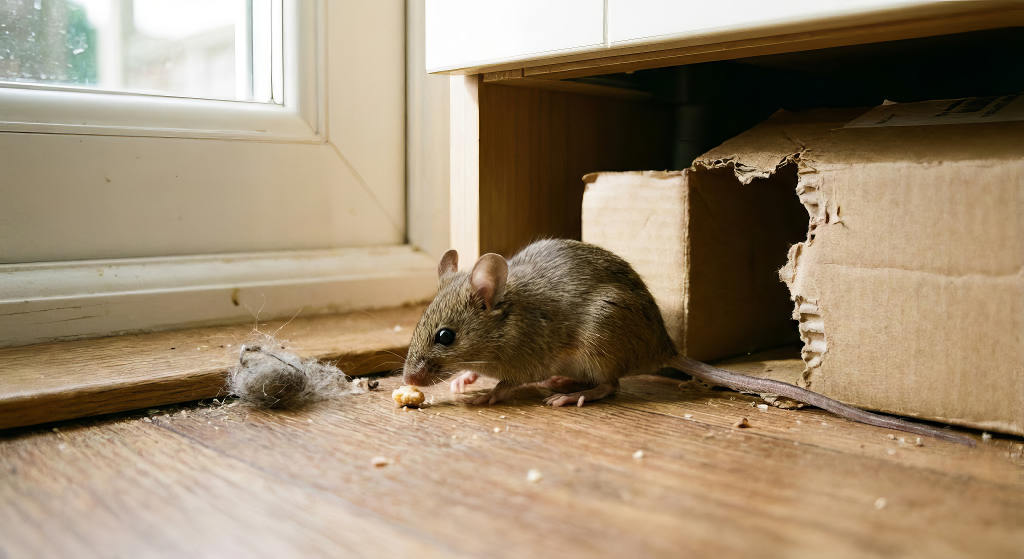
Rodents, specifically rats and mice, are more than just an eyesore—they are highly destructive pests that pose significant risks to your home’s structural integrity and your family’s health. Because they are "commensal" (meaning they live with or near humans), they have become experts at sneaking into our homes and businesses.
The Dangers of a Rodent Infestation
A rodent problem is a race against time. Because their teeth never stop growing, they must gnaw constantly to keep them filed down.
Fire Hazards: Rodents frequently chew through electrical wiring, which is a leading cause of "undetermined" house fires.
Property Damage: They destroy insulation, drywall, and wooden support beams to create nesting materials and pathways.
Disease Transmission: Rodents can spread over 35 diseases, including Salmonella, Hantavirus, and Leptospirosis, through their droppings, urine, and saliva.
Secondary Pests: Rats and mice often carry fleas, ticks, and mites, which can lead to a second wave of infestation in your home.

Signs You Have a Rodent Problem
Rodents are nocturnal, so you may see the signs of their presence long before you see the animal itself:
Scratching Noises: Sounds coming from walls or ceilings, especially at night.
Gnaw Marks: Freshly chewed wood, plastic, or food packaging.
Droppings: Found most frequently in kitchen cabinets, pantries, or crawl spaces.
Smudge Marks: Dark "grease" stains along baseboards or walls where their oily fur rubs as they travel.
Our Professional Rodent Control Strategy
Setting a few hardware-store traps is rarely enough to solve a nesting problem. Our comprehensive approach focuses on Exclusion and Eradication:
Detailed Inspection: We identify "hot zones" and find exactly where they are getting in.
Exclusion Services: We seal entry points using rodent-proof materials like steel wool, hardware cloth, and professional-grade sealants. If they can’t get in, they can’t infest.
Sanitation & Trapping: We use strategically placed, tamper-resistant stations to remove the existing population safely, away from children and pets.
Monitoring: We provide ongoing baiting and monitoring to ensure that new rodents don't try to take over the vacant territory.
Take Back Your Home from Rodents
Rodents reproduce incredibly fast—a single pair of mice can lead to dozens of offspring in just a few months. Early intervention is the best way to prevent costly repairs and health risks.
-
Roof Rat (Black Rat):
Size: Sleek and agile. Smaller than Norway rats. Tail is longer than the head and body combined.
Behavior: Excellent climbers. They prefer high places like attics, rooflines, and trees.
-
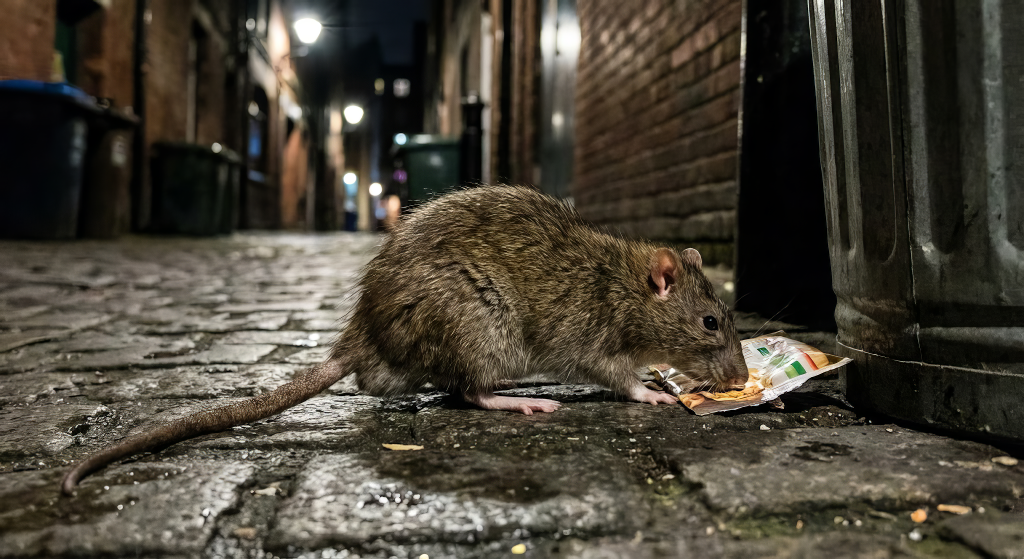
Norway Rat (Sewer Rat/Brown Rat):
Size: Large and bulky, up to 16 inches long (including tail). Blunt nose, small ears.
Behavior: Neophobic (afraid of new things). They are suspicious of new traps or objects in their environment. They burrow in the ground or live in basements/sewers.
-
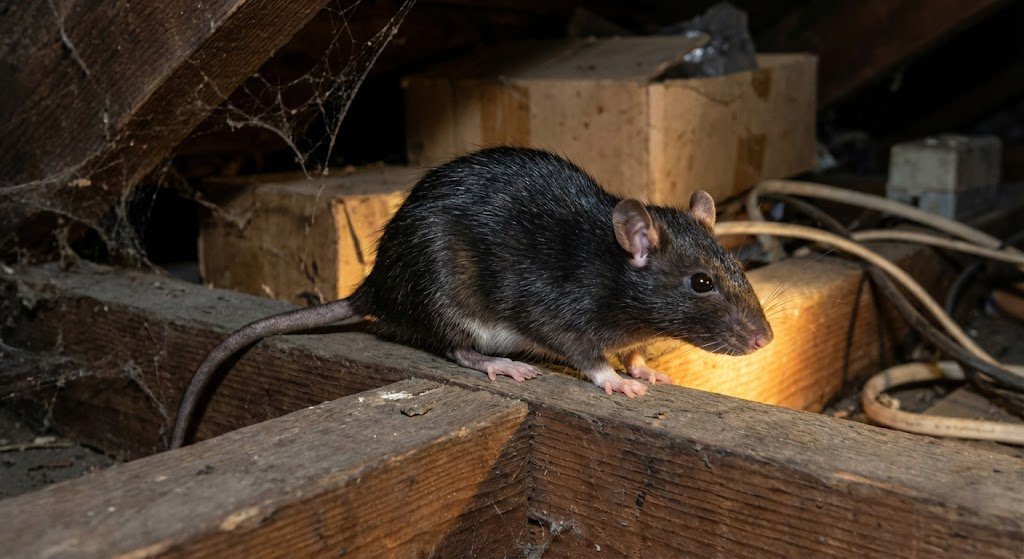
Roof Rat (Black Rat):
Size: Sleek and agile. Smaller than Norway rats. Tail is longer than the head and body combined.
Behavior: Excellent climbers. They prefer high places like attics, rooflines, and trees.

-
Generally, no. While these devices are popular online, there is little scientific evidence that they effectively repel rodents long-term. Rodents quickly get used to the sound (habituation) and ignore it.
-
Attics provide the perfect environment for Roof Rats and mice:
Warmth: Heat rises, keeping them comfortable in winter.
Security: It is a low-traffic area where they are undisturbed by humans or pets.
Nesting Material: Fiberglass insulation is their favorite material for building nests.
-
While cats are natural predators, a well-fed house cat is often not enough to control a breeding population of rodents.
Mice can fit into spaces cats cannot reach (behind cabinets, inside walls).
Rats can be aggressive and may actually injure a pet.
Warning: If you have pets, always use professional tamper-resistant stations for any rodent control to prevent accidental poisoning.
-
This is a risk with poison baits. If a rodent dies in an inaccessible void, it will create a strong odor for 10–14 days and attract flies. This is why we prioritize trapping inside the home (so we can remove the carcass) and baiting only on the exterior.
-
Mice: Can squeeze through a hole the size of a dime (6-7mm).
Rats: Can squeeze through a hole the size of a quarter (12-15mm).
Basically, if their skull fits, their body fits.