
Eight-Legged Intruders
For many homeowners, spiders are the ultimate "fear factor" pest. While most spiders found in our area are harmless and actually help control other insect populations, having them inside your home is a different story. Webs in the corners of rooms, egg sacs in the garage, and the occasional "scare" in the shower are signs that your home has become a hunting ground for these arachnids.
Why Are They in Your Home?
Spiders are predators. If you see a lot of spiders, it usually means there is a steady supply of "prey" (other insects) nearby. They enter homes looking for two things: food and shelter.
The Travelers: Some spiders, like Wolf Spiders, are active hunters that roam floors and baseboards looking for a meal.
The Web-Builders: Others, like Cellar Spiders or House Spiders, find a quiet, dark spot and wait for the food to come to them.
The Seasonal Shift: As the weather cools, many spiders move indoors to find a temperature-controlled environment to survive the winter.

Our Spider Management Strategy
Eliminating spiders requires more than just a quick spray. Because spiders keep their bodies off the ground when they walk, they don't always pick up traditional liquid pesticides as easily as ants or roaches. Our professional approach includes:
Web De-Webbing: We use specialized telescopic brushes to remove webs and egg sacs from eaves, shutters, and corners. This disrupts their habitat and prevents hundreds of new spiders from hatching.
Perimeter Defense: We apply a broad-spectrum residual barrier around the foundation and entry points to stop spiders and their food sources from entering.
Interior Targeted Treatment: We focus on the dark, quiet areas spiders love, such as basements, attics, and behind furniture.
Monitoring: We use professional-grade glue traps in strategic areas to track spider activity and identify "hotspots" in the home.
Pro Tips for a Spider-Free Home
Minimize Lighting: Outdoor lights attract moths and flies, which in turn attract spiders. Use yellow "bug bulbs" to reduce the attraction.
Declutter: Spiders love cardboard boxes and stacks of paper. Switching to plastic bins for storage can significantly reduce hiding spots.
Seal the Gaps: Ensure window screens are tight-fitting and that door sweeps are in good condition.
Reclaim Your Corners
You shouldn't have to look over your shoulder every time you walk into the garage or basement. Our year-round protection plans are designed to keep the "creepy crawlies" where they belong—outside.
-
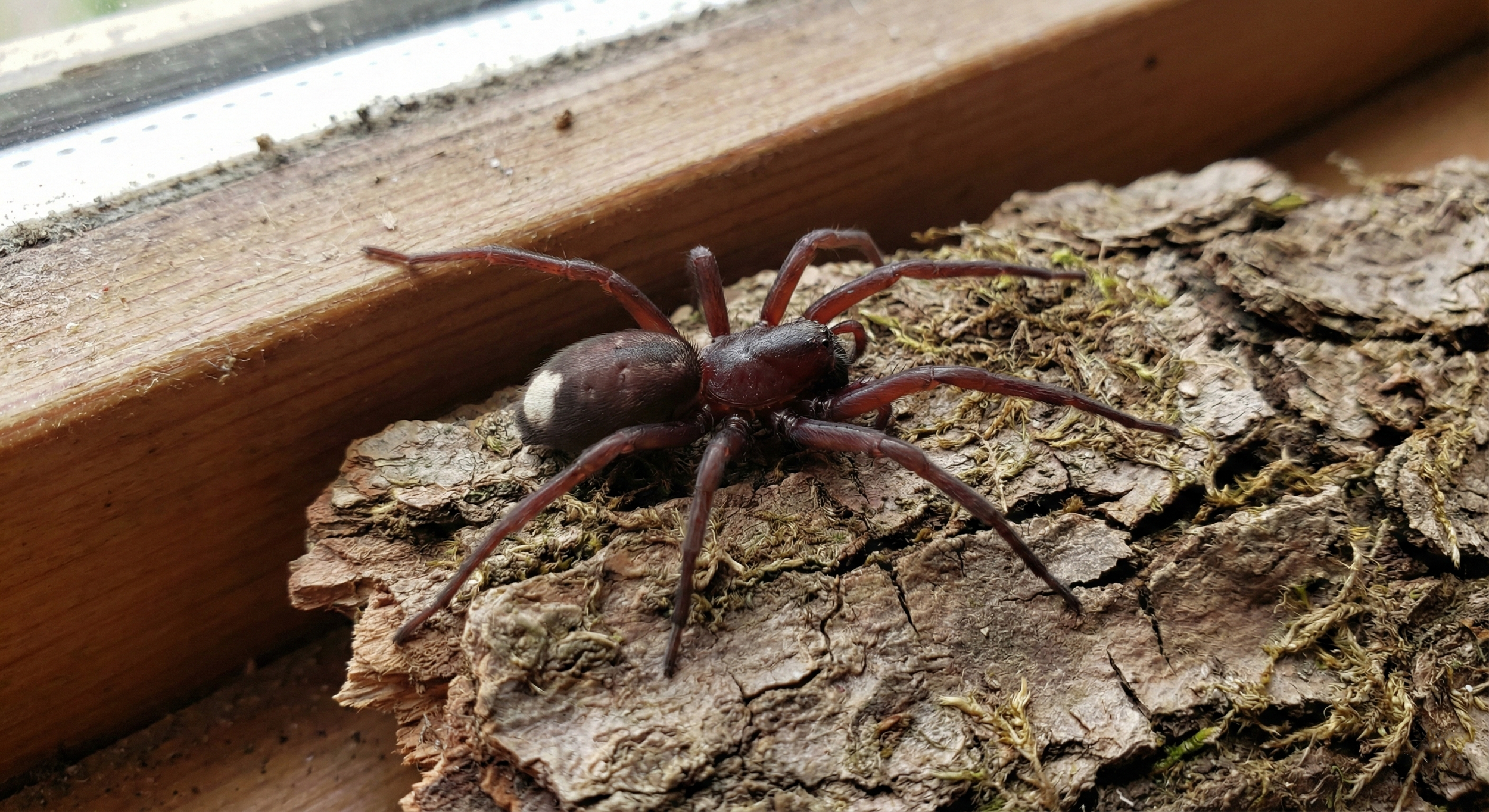
White-tailed Spider: Inside folds of clothes, towels, or bedding; they are nomadic hunters. Painful Bite. Known for causing localized pain and swelling; frequently found indoors.
-
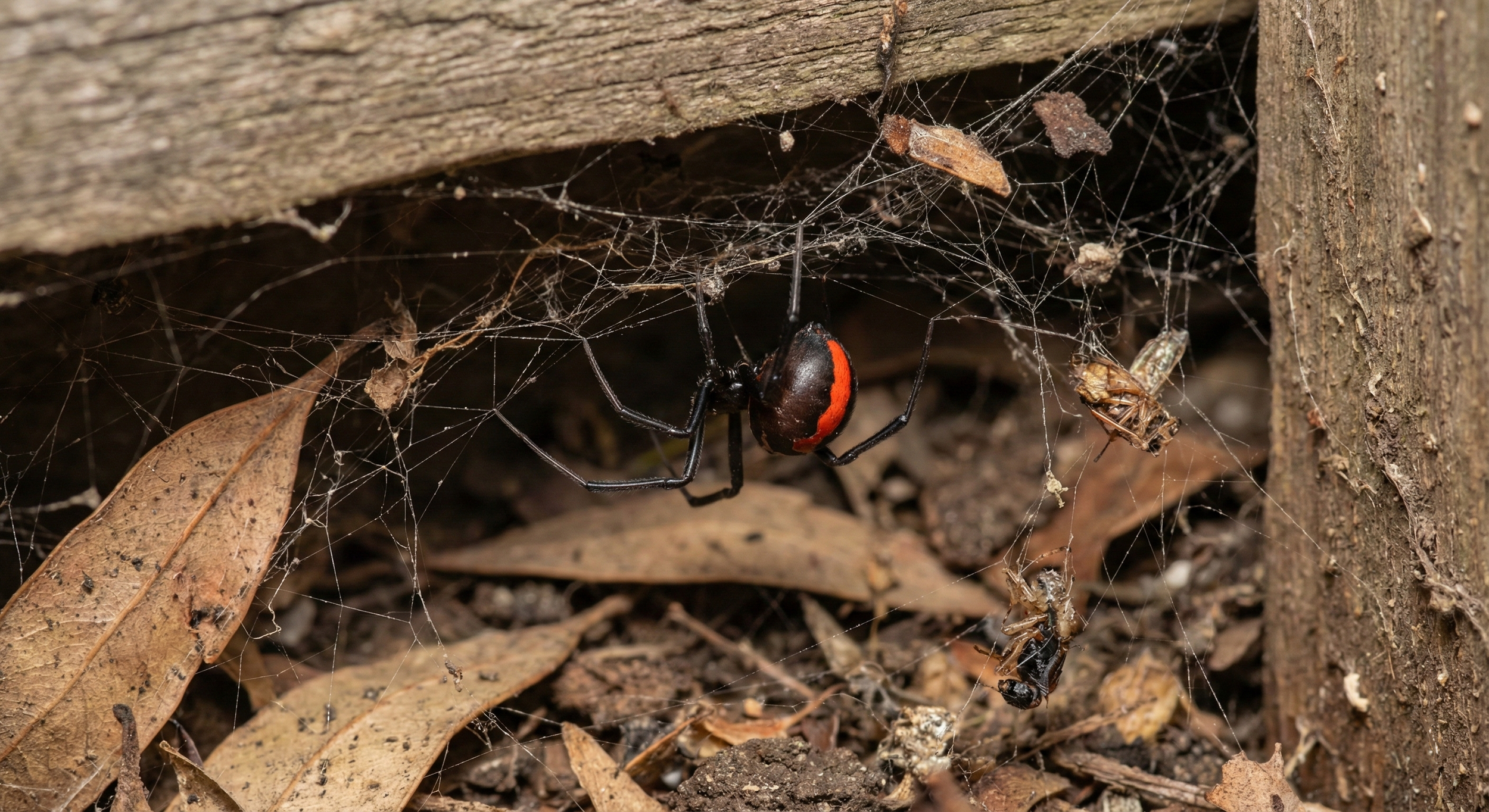
Redback Spider: Dry, dark spots like sheds, letterboxes, and under outdoor furniture.Venomous. Bites cause severe pain and sweating; a close relative of the Black Widow.
-
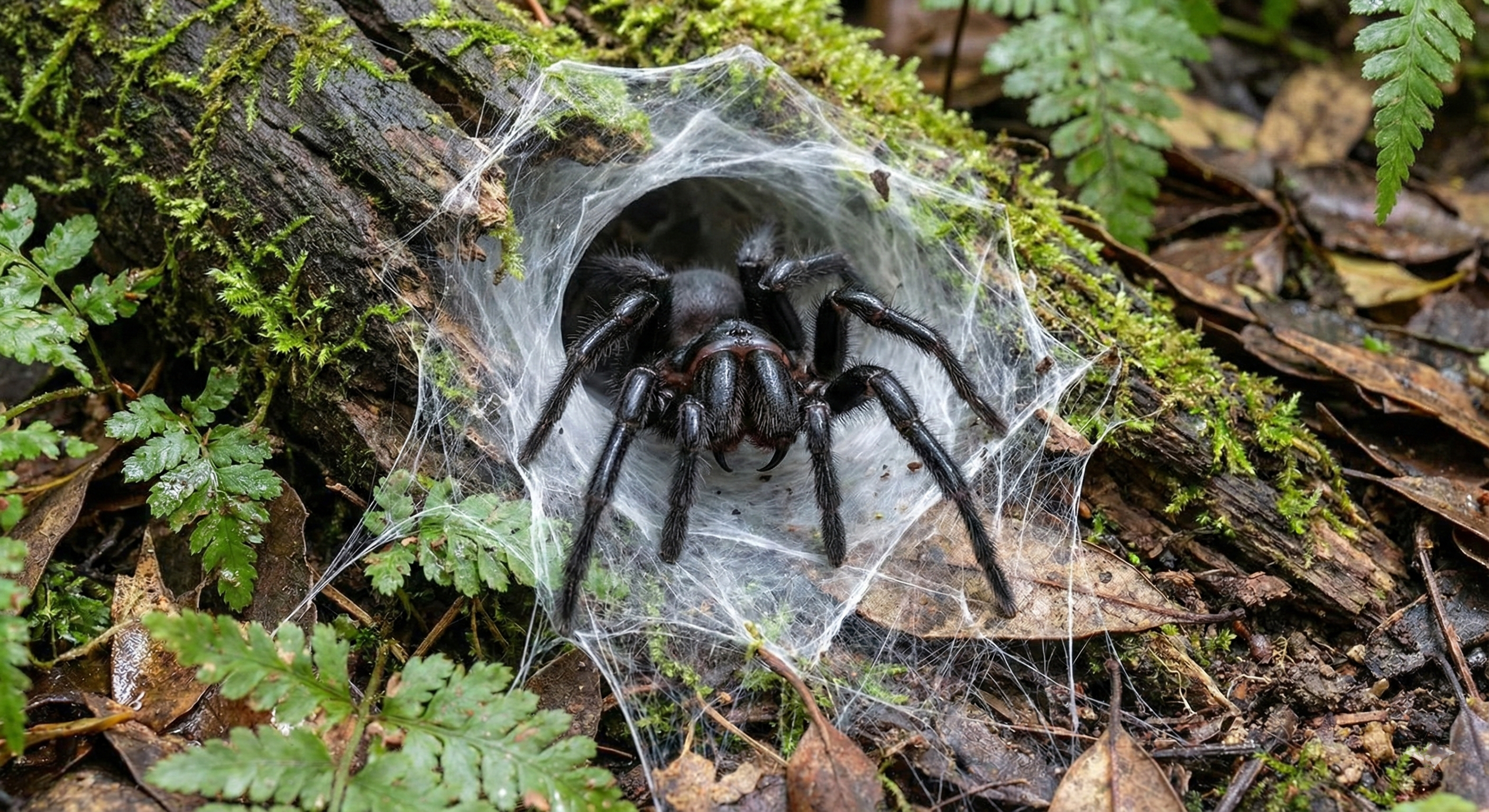
Sydney Funnel-web: Moist, sheltered spots; burrows under rocks or logs.Highly Venomous. One of the world's most dangerous; requires immediate medical attention.

-
The most common reason for a spider increase is the presence of other insects. Spiders go where the food is. If your home has a high population of flies, moths, or ants, spiders will move in to hunt. Additionally, they often seek indoor shelter during extreme weather changes, such as heavy rain or the first frost of autumn.
-
While almost all spiders have venom to subdue their prey, most found in homes are harmless to humans because their fangs are too small to pierce skin. However, you should be able to identify local "medically significant" spiders, such as the Black Widow or Brown Recluse. If you are bitten by one of these, seek medical attention immediately.
-
This is a common myth. Spiders are generally shy and have no reason to bite humans unless they are physically crushed or trapped against your skin. Most "mysterious" skin bumps attributed to spiders are actually caused by bed bugs, fleas, or skin irritations. Spiders would much rather stay in their webs than interact with people
-
Spiders are attracted to three things: food, moisture, and darkness. Clogged gutters, leaky pipes, and outdoor lighting (which attracts their insect prey) are the biggest draws. Inside, they look for undisturbed areas like basements, crawlspaces, closets, and the corners of high ceilings.
-
Regular cleaning and vacuuming are great first steps because they remove webs and egg sacs. However, cleaning alone rarely solves the problem if there is an entry point or an underlying insect infestation. Professional treatment is needed to create a residual barrier that prevents new spiders from crossing into your living spaces.
-
Our approach is comprehensive:
De-Webbing: We remove all visible webs and egg sacs from the exterior and interior.
Source Control: We treat for the insects that the spiders are eating.
Barrier Protection: We apply professional-grade products to "dead zones" like baseboards, eaves, and foundations to keep spiders out for the long term.
-
To keep your home spider-free, we recommend:
Switching outdoor lights to yellow "bug bulbs" which are less attractive to insects.
Sealing cracks around windows and doors with caulk or weatherstripping.
Reducing clutter in garages and basements where spiders love to hide.
Trimming bushes and trees so they do not touch the exterior of your house.